
I spent weeks researching what ordinary people across America are doing to make extra money in 2026. I looked beyond the usual advice because most side hustle lists online repeat the same outdated ideas. If I see one more article telling a tired professional to download a survey app for pennies or spend their gas money driving for a rideshare network until their transmission blows up, I’m going to lose my mind.
What I found while looking through digital creator networks, local small-business groups, and peer-to-peer asset marketplaces was fascinating: the biggest opportunities are not always the ones people are talking about on mainstream business news channels. The side hustles that actually work right now lean heavily on two things: leverage and asymmetrical upside. You either use modern tools to scale your digital presence, or you solve high-value, hyper-localized problems for people in your community who have more money than time.
I researched dozens of side hustles, talked to creators, studied what people are doing across America, and these are the opportunities I believe have the most potential in 2026. Whether you are searching for pure passive income ideas or a flexible online business you can build after your 9-to-5, here is the unfiltered truth about what is working.
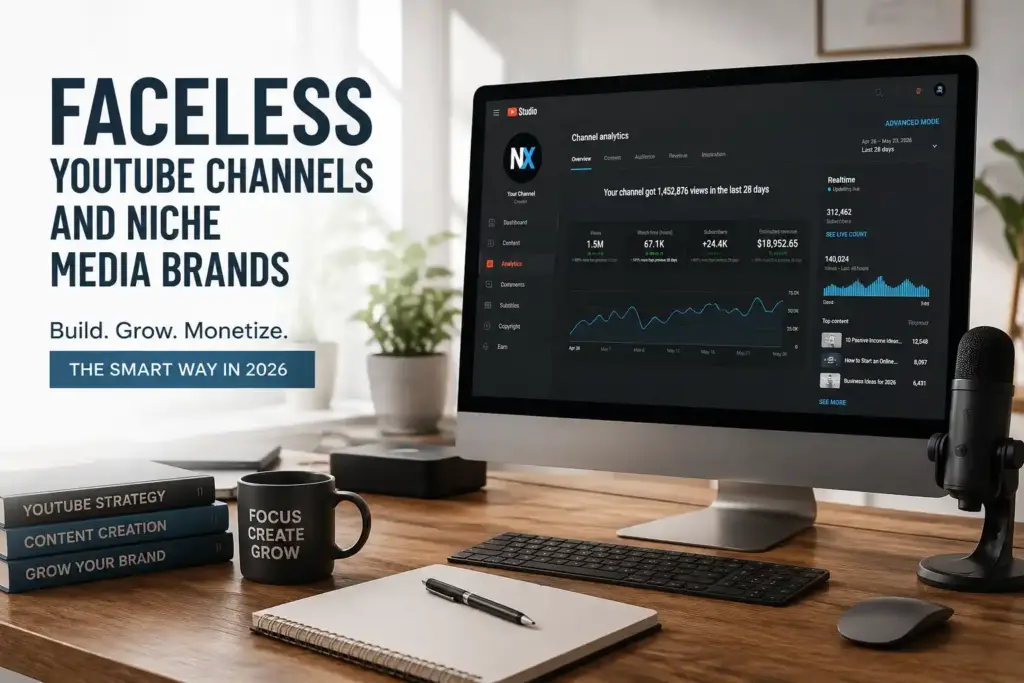
Faceless YouTube Channels and Niche Media Brands
- What is this side hustle?
This hustle is about building digital media assets on YouTube without ever showing your face on camera or assuming the public persona of a traditional influencer. Instead of focusing on your personal life, you build a channel centered on a specific, high-interest topic—such as historical documentaries, deep-dive sports analysis, financial case studies, or niche travel deep dives. You curate the scripts, orchestrate the visuals using high-quality stock footage and custom animations, and piece it together into highly watchable documentary-style content.
Why is it growing in the US in 2026?
The creator economy has matured. Audiences care far less about who is presenting information and far more about the quality of the storytelling. Furthermore, the modern toolkit for asset creation has democratized video production. Advanced video processing software, intuitive audio enhancers, and automated b-roll curation tools mean that a single individual sitting in a home office can produce content that matches the production quality of a television network cable show from a decade ago. US advertisers pay premium ad rates (RPMs) to reach American viewers who are interested in specific topics like personal finance, historical events, and sports history. This makes it an incredibly lucrative landscape for digital real estate.
Real-life scenario
I recently noticed more creators building small media companies from their bedrooms instead of chasing traditional influencer careers. I spent an evening talking to a guy named Marcus from Ohio who works full-time in logistics. Over the last year, he quietly launched a faceless YouTube channel dedicated to the architectural history of forgotten American landmarks. He writes his scripts on his laptop during his commute, uses professional voiceover artists or high-end voice synthesis software for the audio track, and edits the videos using clean stock platforms. He doesn’t have his name anywhere on the channel, yet his videos consistently get hundreds of thousands of views from history buffs across the country.
How much can someone realistically earn?
Beginner (Months 1–6): $0 to $300/month (while meeting YouTube’s monetization threshold of 1,000 subscribers and 4,000 watch hours).
Intermediate (Year 1+): $1,000 to $4,500/month via YouTube AdSense alone.
Advanced: $5,000 to $12,000+/month when integrating targeted niche sponsorships, affiliate programs, and digital merchandise.
How a beginner can start- Choose a High-Value Niche: Focus on subjects with high advertiser demand, such as automotive history, corporate downfalls, sports documentaries, or wealth management case studies.
- Scripting and Storyboarding: Write compelling, narrative-driven scripts that grip viewers in the first 30 seconds. Focus on tension and pacing.
- Assemble the Stack: Use platforms like CapCut or Adobe Premiere for editing. Source visual components from high-quality libraries like Storyblocks or Envato Elements.
- Optimize for Search and Suggestion: Design clean, high-contrast thumbnails and write titles that trigger curiosity without slipping into cheap clickbait.
Pros and challenges
Pros: Complete anonymity; highly scalable; functions as an online side hustle that builds long-term digital equity and passive income.
Challenges: Steep initial curve before hitting monetization requirements; requires consistency without immediate financial return; requires continuous tracking of copyright rules for video assets.
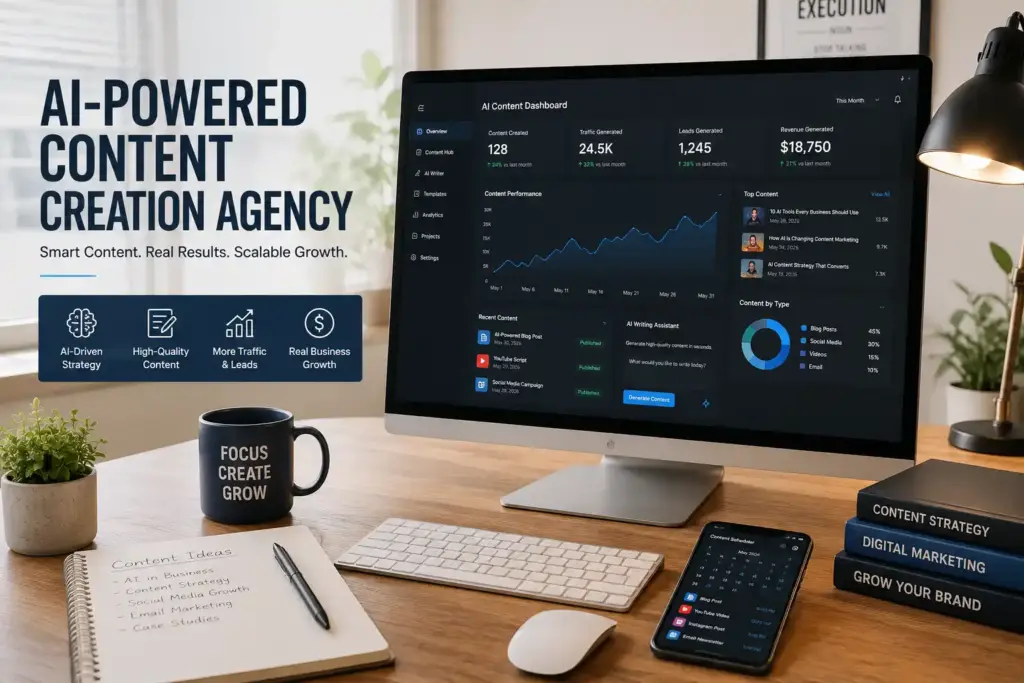
AI-Powered Content Creation Agency
What is this side hustle?
An AI-powered content creation agency operates by taking over the local digital marketing presence for brick-and-mortar businesses in your community. Instead of billing yourself as a traditional, slow-moving ad agency, you act as a hyper-efficient content partner. You use modern video-editing platforms, template suites, and generative writing assistants to batch-produce months’ worth of localized short-form videos (Reels, TikToks, Shorts), geo-targeted blog posts, and Google Business Profile updates in a fraction of the traditional time.
Why is it growing in the US in 2026?
Local businesses across America—think boutique realtors in Phoenix, independent dental practices in Denver, or local family-owned restaurants in Chicago—are acutely aware that they need a steady stream of short-form video content to remain relevant in local search feeds. However, the average small business owner does not have the time to edit smartphone videos, caption them, or post consistently. By stepping in with specialized software that can cut long video files into dynamic clips, generate accurate local SEO text, and auto-schedule content, you solve a major business problem at a highly competitive price point while maintaining high profit margins.
Real-life scenario
I spent some time looking at how local service operators handle their marketing, and it became clear that the gap between corporate agencies and local needs is massive. I met a young freelancer in North Carolina who noticed that three of the top-rated home remodeling contractors in her county hadn’t posted on Instagram or YouTube Shorts in over six months. She approached them with a clear offer: she spent two hours at one of their job sites filming raw smartphone footage of a kitchen reveal, used tools like Descript and OpusClip to slice the material into 15 highly engaging clips with smart captions, and charged them a flat monthly retainer to manage the feed. She now has four local clients and has effectively built an agency without hiring a single employee.
How much can someone realistically earn?
Per Client Retainer: $500 to $1,500/month depending on the volume of content.
Total Realistic Monthly Income: $2,000 to $6,000/month by managing 3 to 5 local clients in your spare time.
How a beginner can start
- Audit Your Local Market: Open Instagram and TikTok, look up local realtors, physical therapy clinics, gyms, and restaurants within a 20-mile radius, and identify businesses with poor digital presence.
- Build a Proof of Concept: Offer to create 3 free short-form video assets for a single business to demonstrate your capability.
- Establish an Efficient Workflow: Use scheduling software like Metricool or Buffer and editing suites like CapCut to streamline the entire production pipeline.
- Pitch a Retainer Model: Once your trial content demonstrates engagement, pitch a predictable monthly package focused on consistent local visibility.
Pros and challenges
Pros: High-margin B2B contracts; recurring monthly revenue; builds valuable local professional networks.
Challenges: Requires direct outreach and handling client communication; local business owners can sometimes have unrealistic expectations regarding direct sales attribution.
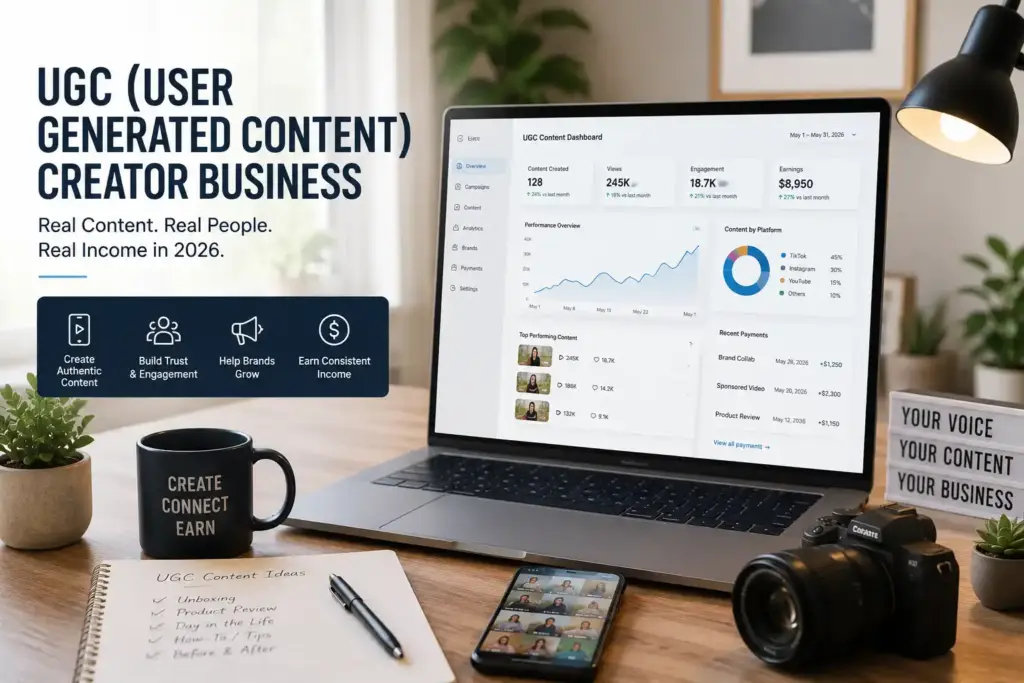
UGC (User Generated Content) Creator Business
What is this side hustle?
A User Generated Content (UGC) creator produces raw, organic-looking media assets—such as unboxing videos, authentic product reviews, and lifestyle demonstrations—that brands purchase to run as paid ads on platforms like TikTok, Instagram, and YouTube. Unlike traditional social media influencers, a UGC creator does not need a massive online following or an established personal audience. Brands are not paying for access to your network; they are paying for your ability to create relatable content that feels like a recommendation from a trusted friend.
Why is it growing in the US in 2026?
American consumers have developed a collective filter against highly polished, corporate commercials. When a viewer sees a sleek, multi-million dollar ad campaign, they instantly tune out. However, when they scroll past a video filmed on an iPhone by a regular person standing in their kitchen or bathroom, they stop and watch. Brands across the United States are redirecting significant portions of their advertising budgets away from studio productions and toward regular Americans who understand how to hit a script hook, state a practical product benefit, and deliver a clear call to action.
Real-life scenario
The market for genuine content has shifted completely. I recently interviewed Sarah, a 31-year-old human resources specialist from Atlanta. She started her UGC business by simply looking around her apartment for consumer items she already used every day—a coffee maker, an ergonomic desk chair, and a skincare serum. She filmed 45-second videos showcasing her honest experience with them and compiled these clips into a simple digital portfolio. Today, mid-sized direct-to-consumer cosmetic and home goods brands ship her products weekly along with payments ranging from $200 to $350 per video asset. She works out of her living room on Saturday mornings and clears an extra $3,000 a month.
How much can someone realistically earn?
Per Video Rate: $150 to $400 for a standard 30-to-60 second edited clip.
Monthly Income Potential: $1,000 to $5,000/month depending on how consistently you pitch and negotiate retainers for multiple monthly assets.
How a beginner can start
- Create a Clean Portfolio: Film 3 to 5 examples of UGC ads using products you currently own. Show a mix of aesthetic shots, close-ups, and a dynamic talking-head review.
- Set Up a Portfolio Website: Use clean, simple landing page tools like Canva or Stan Store to present your video samples, rates, and contact information.
- Leverage Dedicated Creator Marketplaces: Create detailed profiles on platforms like JoinBrands, BrandsMeetCreators, and Fiverr to find open brand casting briefs.
- Direct Pitching via Social Media: Find emerging brands advertising heavily on your social feeds, locate the brand manager’s email via LinkedIn, and pitch your portfolio directly.
Pros and challenges
Pros: No public audience or following required; zero inventory management; high volume of active brand budgets looking for content.
Challenges: Income can fluctuate week-to-week; requires continuous outreach and handling product logistics; requires clear contract terms regarding how long a brand can use your likeness in paid ads.
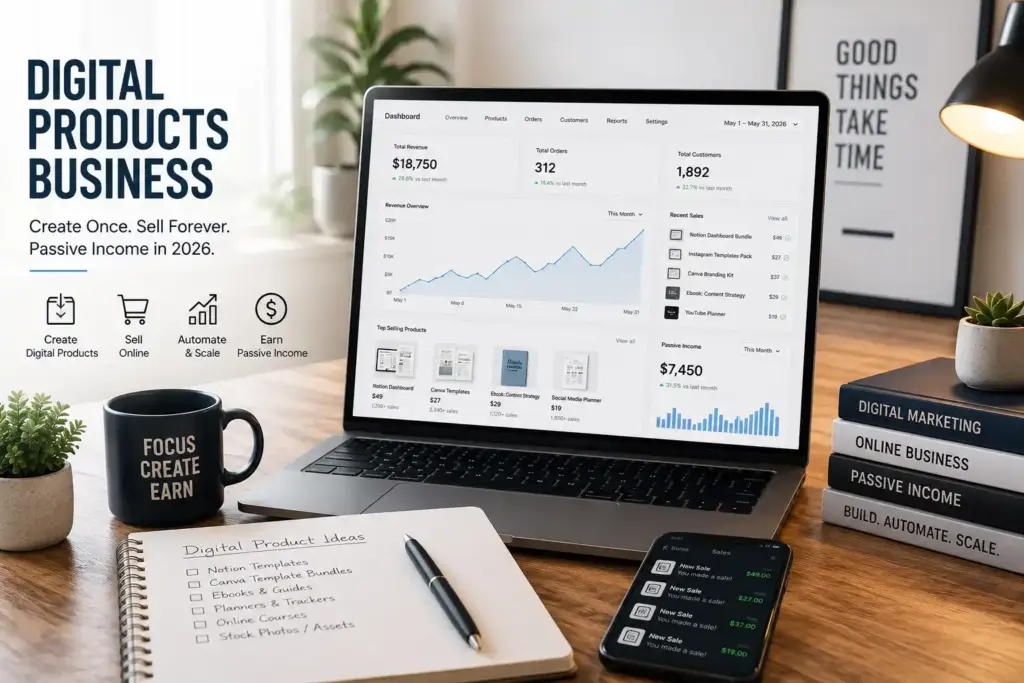
Digital Products Business
What is this side hustle?
A digital products business centers on creating downloadable digital files that solve specific professional, creative, or organizational problems. Once you design the asset, it can be sold an infinite number of times without any inventory costs, shipping fees, or supply chain hassles. This space includes specialized Etsy shop assets, comprehensive Notion workspaces, tailored Canva template bundles, curated AI prompt frameworks for specific professions, detailed financial tracking workbooks, and modern resume packages designed to clear modern automated application tracking systems.
Why is it growing in the US in 2026?
This ranks among the absolute best passive income ideas because it boasts near-zero marginal costs of replication. The modern American workforce is increasingly turning to independent contracting, remote freelancing, and digital organization. People are willing to spend $15 to $40 to buy a ready-made digital solution that saves them ten hours of tedious layout work. Whether it’s a real estate agent looking for Instagram templates or a corporate climber looking for a clean resume format, digital product storefronts capture highly intentional buyers at the exact moment they need a solution.
Real-life scenario
I keep a close eye on alternative e-commerce models, and digital assets consistently offer some of the cleanest profit margins out there. I came across an administrative assistant in Boston named David who mastered the layout of Notion workspaces for personal organization. He noticed that many freelance graphic designers were struggling to track their active client projects, invoicing timelines, and asset links in one clean dashboard. David spent two weekends building a comprehensive “Freelancer Command Center” template in Notion. He listed it for $24 on Etsy and set up a basic TikTok account to show how the system worked. He now checks his shop dashboard every morning to see hundreds of dollars in automated sales that hit while he was asleep.
How much can someone realistically earn?
Beginner: $100 to $800/month (while optimizing listings and finding product-market fit).
Advanced Content Store: $2,000 to $7,000+/month of highly automated, passive income from a deep catalog of optimized digital listings.
How a beginner can start
- Identify an Underserved Pain Point: Don’t just make a generic “to-do list.” Design an asset for a specific target user, like a “Construction Project Tracker for Independent Contractors” or an “Interior Design Client Onboarding Template Suite.”
- Build with Common Tools: Use accessible platforms like Canva, Notion, or Google Sheets to design clean, professional, and easily editable assets.
- Optimize for Marketplace SEO: List your products on established platforms like Etsy or Gumroad. Research exact, long-tail keywords that buyers use when searching for structural solutions.
- Drive Organic Traffic: Create simple, educational short-form videos showing the transformation your digital product provides, and link directly to your storefront.
Pros and challenges
Pros: True passive income potential; zero ongoing manufacturing or shipping costs; global customer base accessible from anywhere.
Challenges: Highly competitive marketplaces require precise niche selection and SEO execution; vulnerability to design copycats; requires upfront, uncompensated creative work.
Airbnb Experiences and Local Tourism Businesses
What is this side hustle?
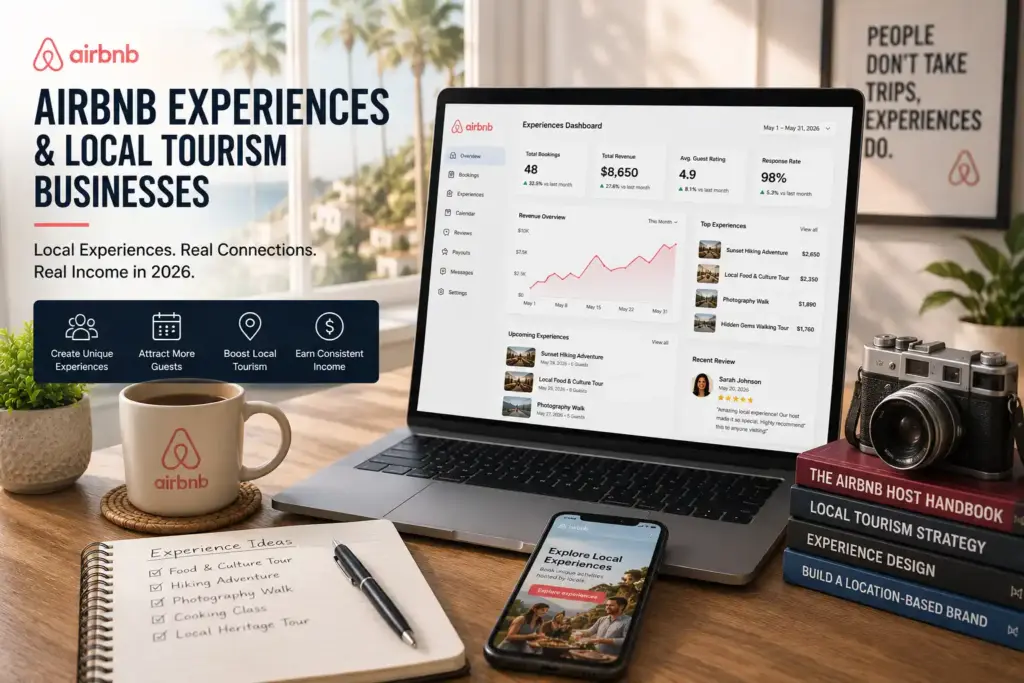
This side hustle involves creating and hosting localized, curated events or guided tours through the Airbnb Experiences platform or independent booking sites. Instead of renting out physical real estate, you rent out your specialized knowledge, access, and personality. This can take the form of neighborhood food tours, historic architecture walks, outdoor photography workshops, guided hiking adventures, or unique local craft and culinary masterclasses.
Why is it growing in the US in 2026?
Consumer behavior across the United States has shifted heavily away from accumulating physical goods and toward collecting memorable, real-world experiences. Millions of tourists and remote professionals arriving in American cities every week do not want generic bus tours or tourist traps. They want to experience a city like an insider. By building an interesting, highly specific local itinerary, you can easily tap into the high-spending tourist demographics traveling through your region.
Real-life scenario
The experience economy is booming in urban hubs and vacation spots alike. I spent a weekend tracking lifestyle services in Austin, Texas, and met a guy named Julian who is passionate about local culinary history and street art. Rather than working a traditional retail job on weekends, he created an Airbnb Experience titled “Tacos, Murals, and Hidden Speakeasies.” Every Friday and Saturday evening, he leads a group of up to eight travelers through a two-hour walking tour of under-the-radar spots in East Austin. He charges $75 per guest. After accounting for the cost of the food items included in the ticket, he regularly clears $400 a night for doing something he would likely do for fun anyway.
How much can someone realistically earn?
Per Guest Fee: $45 to $130 depending on the complexity, duration, and inclusions of the tour.
Monthly Income Potential: $1,500 to $5,000/month by hosting 2 to 3 sessions a week on weekends or evenings.
How a beginner can start
- Design a Highly Specific Itinerary: Avoid generic sightseeing plans. Build something hyper-focused, like a “Historical True-Crime Walking Tour of Savannah” or a “Hidden Coffee Shop and Photography Crawl in Seattle.”
- Run a Beta Test with Friends: Take a small group of friends through your complete route to refine your timing, talking points, and logistics.
- List on Major Experience Engines: Create a highly visual, compelling host profile on Airbnb Experiences, Viator, and Tripadvisor. Use high-resolution lifestyle photos showing guests smiling and actively engaged.
- Secure Initial Reviews: Set your introductory pricing intentionally low for the first few weeks to secure the critical 5-star reviews required to climb the search rankings.
Pros and challenges
Pros: High hourly earning potential; heavily leverages existing global tourist traffic platforms; fun, social environment.
Challenges: Directly trades your physical time for income; highly dependent on seasonal travel shifts and local weather; requires managing safety logistics and local municipal liability rules.
Frequently Asked Questions
1 . Which side hustles are best for generating pure passive income?
If your primary goal is to build long-term, automated cash flow that doesn’t require trading your direct hours for dollars, look closely at Digital Products Storefronts and Faceless YouTube Channels. While both require significant upfront effort to design, script, and build, they scale with zero marginal replication costs. Once an audience or an SEO baseline is established, they function as strong online side hustles that make money while you sleep.
2. How do I manage a side hustle while working a demanding 9-to-5 job?
The key to balance is separating your side hustle tasks from your primary work day and selecting low-friction business models. Focus on side hustles that allow you to batch your tasks into single weekly sessions, such as filming UGC videos or writing scripts on Saturday mornings. Avoid businesses that require immediate, real-time client communication during corporate hours. Use tools like auto-schedulers to keep your digital presence active while you are at your main job.
3. What are the tax implications for side hustles in the United States?
When you earn money outside of a traditional W-2 employment structure in America, you are operating as an independent contractor or sole proprietor. This means you will likely receive 1099 tax forms from the platforms you utilize once you pass modern platform reporting thresholds. It is wise to set aside 25% to 30% of your net earnings in a separate savings account to cover self-employment and income taxes. Keep meticulous track of all your business deductions—such as software subscriptions, tools, and gear costs—to lower your overall taxable income at the end of the year.
Final Takeaway
The overarching trend shaping the American economy in 2026 is clear: the most successful side hustles are no longer about grinding out mind-numbing hours on corporate gig apps for low pay. The real opportunity lies in building scalable digital assets or offering specialized, high-margin solutions to specific problems within your local community or target niche.
Do not let analysis paralysis hold you back from starting. Pick one single idea from this list that aligns with your current skills, lifestyle flexibility, and creative interests. Give that one project your focused energy for six months without constantly looking for immediate shortcuts. Building financial breathing room outside of your primary career is a marathon, and the strongest digital assets are built one day at a time.